Bagasse vs. Plastic – Why Sugarcane Fibre Is the Future of Tableware
What is bagasse?
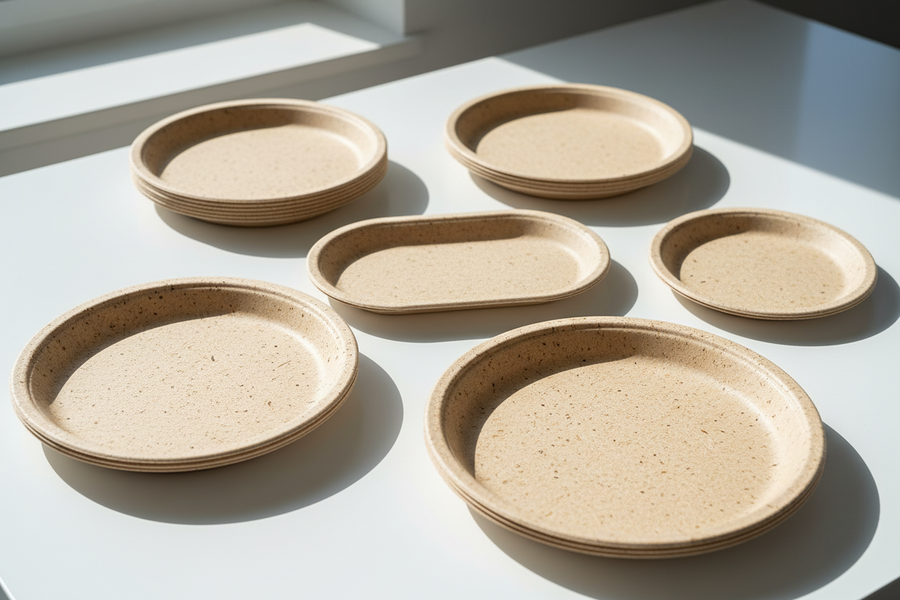
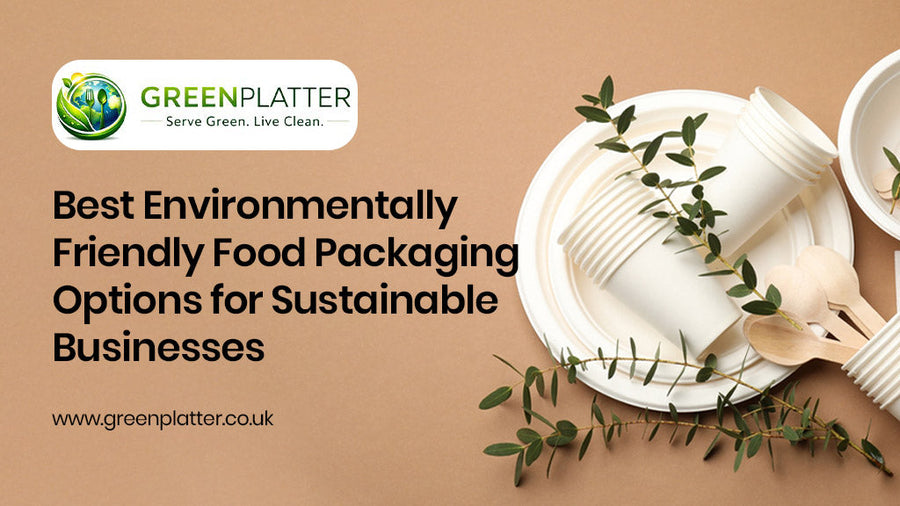
Bagasse is the fibrous residue left after juice is extracted from sugarcane stalks. Once considered agricultural waste, it is now repurposed into lightweight, durable and biodegradable products such as plates, bowls and containers. Because bagasse is derived from a renewable crop, it offers a sustainable alternative to materials extracted from fossil resources. The pulp is compostable and breaks down under proper composting conditions within months.
The problem with plastic
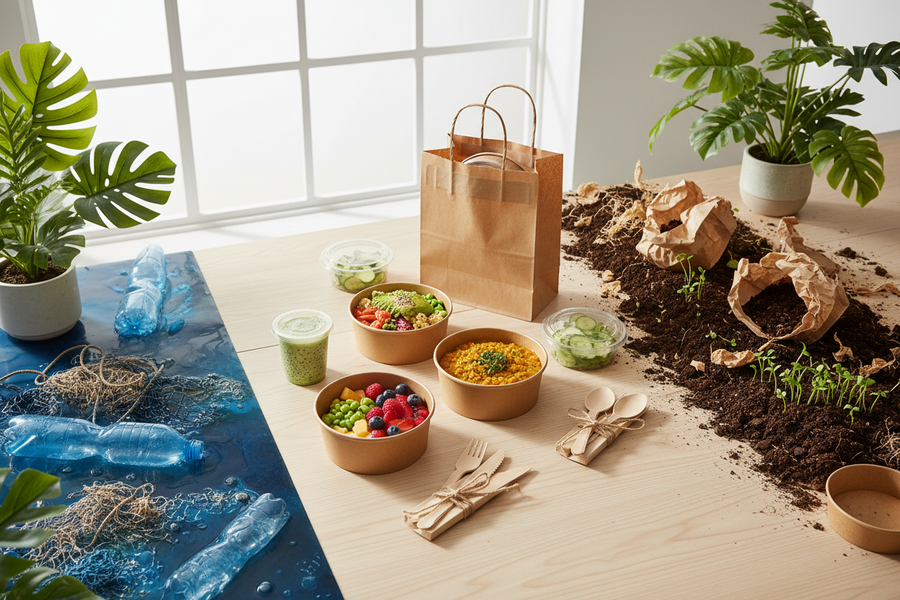
Single‑use plastic has been cheap and convenient for decades, but it comes with a hidden cost. Plastic production generated an estimated 1.8 billion tonnes of greenhouse‑gas emissions in 2019, accounting for 3.4 % of global emissions. Most single‑use plastic is made from petrochemicals, and the extraction, transport, manufacturing and disposal of those fossil fuels produce carbon emissions that drive global warming. Plastic waste can persist in the environment for centuries; less than 10 % of the seven billion tonnes of plastic waste generated so far has been recycled.
Environmental benefits of bagasse
- Renewable and low‑carbon: Bagasse is made from agricultural residues and has significantly lower greenhouse‑gas emissions than plastic. During sugarcane growth, carbon dioxide is absorbed; when bagasse products decompose, the carbon released is offset by that uptake.
- Biodegradable and compostable: Bagasse products decompose into organic matter within months. They leave no harmful residues and can enrich the soil.
- PFAS‑free and food‑safe: Bagasse packaging is PFAS‑free and suitable for hot and cold foods.
- Energy efficiency: Producing bagasse items consumes less energy than manufacturing plastic, further reducing their carbon footprint.
In contrast, plastic relies on non‑renewable fossil fuels and contributes to long‑term pollution and microplastic contamination. Microplastics are found in soil, water and even human organs. Choosing bagasse over plastic reduces pollution and helps build a cleaner future.
Performance and usability
Bagasse tableware isn’t just good for the planet – it performs well, too. It withstands hot and cold foods, is grease‑resistant and microwave‑safe. By offering the strength of plastic without the environmental cost, bagasse products are an ideal choice for food service, catering and everyday use.
Conclusion
Switching from plastic to bagasse is a practical step toward sustainability. The next time you host an event or grab take‑away, consider choosing bagasse tableware – your decision will help cut emissions, reduce waste and support a greener future.
🛒 GreenPlatter: Your Sustainable Partner
GreenPlatter helps businesses transition smoothly to eco-friendly packaging with:
- Wide range of compostable products
- Affordable bulk pricing
- Fast and reliable delivery
- Commitment to sustainability
🛍️ Why Choose GreenPlatter?
At GreenPlatter, we provide high-quality, sustainable packaging solutions designed for modern food businesses.
- Premium bagasse plates, bowls, and containers
- Competitive pricing for bulk buyers
- Reliable UK supply chain
- Designed for takeaway, catering, and events
Related post
01
May