Best Environmentally Friendly Food Packaging Options for Sustainable Businesses
People are getting more conscious of their environment than ever before. Not only do consumers demand that the products they purchase be safe for them and their families, but they also expect the same from the materials used in making those products. Therefore, the environmentally friendly food packaging options that are available today have become very popular with businesses within the food industry.
Companies in the food industry are now looking at different types of food packaging that are created to create less waste and be kinder to the earth. This post will discuss the top environmentally friendly food packaging options in a very basic and straightforward manner.
What is Eco-Friendly Food Packaging?
Eco-Friendly Food Packaging means packaging your food in a way that does not directly harm the environment. Some examples of eco-friendly food packaging materials include:
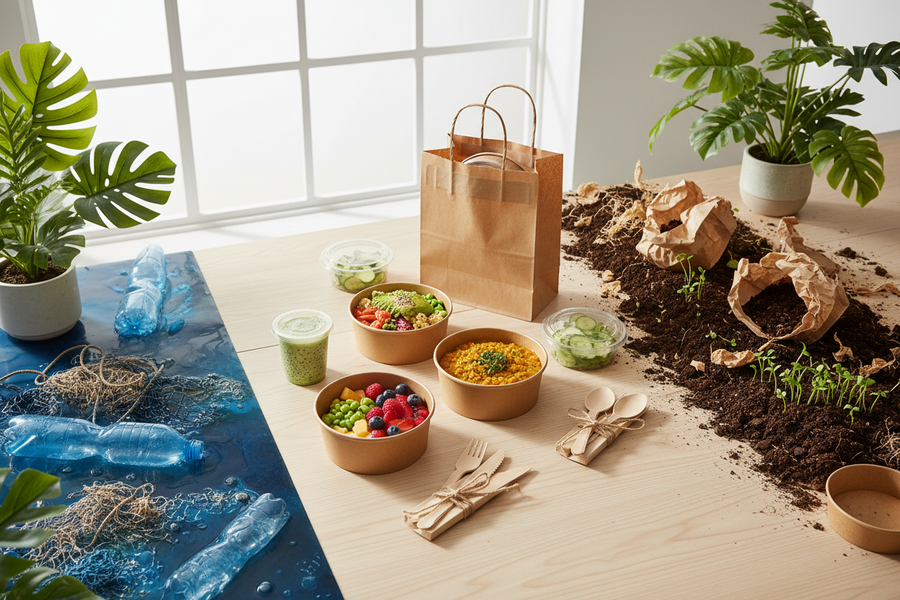
- Biodegradable materials that will break down into natural elements
- Materials that can be reused or recycled
- Materials which will reduce the amount of plastic waste that we create.
By using eco-friendly food packaging types, we help to keep the planet clean and protect it.
What's the Importance of Using Environmentally Friendly Food Packaging?
There are many advantages associated with using environmentally friendly food packaging.
Nature Protection: By using environmentally friendly food packaging, pollution to air, land and water will diminish. Future generations will be able to enjoy nature and all of its beauty!
Business Branding: When customers perceive a company as being environmentally responsible, they will create a brand that they can trust.
Compliance: Many countries are now encouraging companies to implement eco-friendly packaging.
Waste Management: Environmental Responsibility through the use of Eco-Friendly Food Packaging helps to improve the way we manage waste.
Best Environmentally Friendly Food Packaging Options
Here are some of the best options businesses can choose:
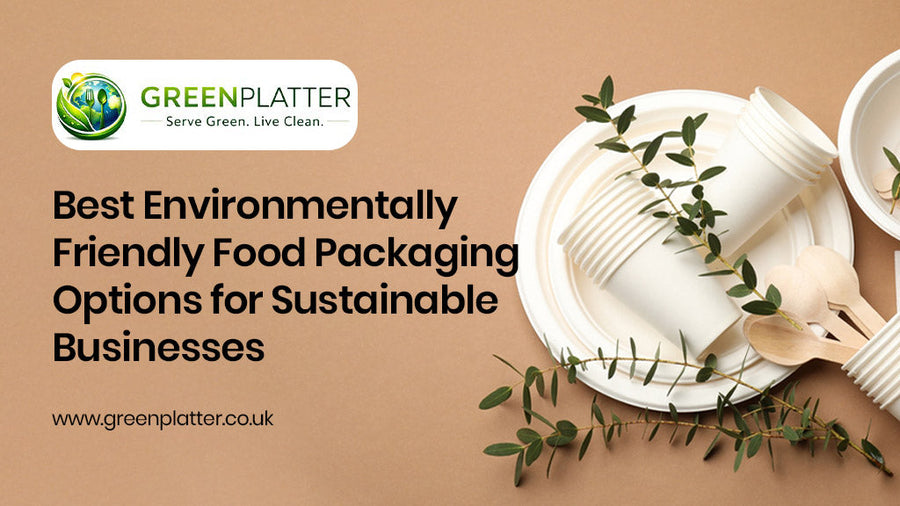
1. Paper-Based Packaging: Paper serves as a widely used environmentally sustainable material for food packaging.
The product has three main characteristics which make recycling easy and its weight low and its price economical. The material serves for manufacturing boxes and wraps and bags.
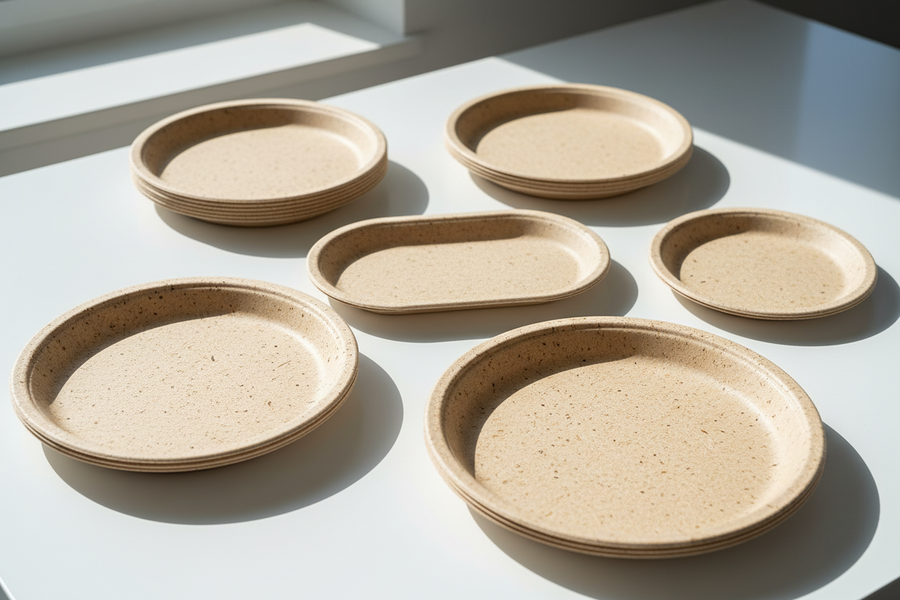
2. Biodegradable Packaging: The packaging material uses natural substances which decompose through time.
The product uses natural materials which decrease landfill waste and maintain environmental safety.
3. Compostable Packaging: Compostable packaging turns into natural compost.
The composting process provides nutrients for soil while eliminating dangerous substances.
The solution works perfectly for organizations that handle food products.
4. Plant-Based Packaging: The material comes from plant-based sources which include corn starch and sugarcane.
The product requires renewable materials which provide dependable construction through sustainable ecological methods.
5. Reusable Packaging: The packaging solution allows multiple uses for all its contents.
The solution decreases waste from single-use products while providing long-term savings for expenses and promoting eco-friendly practices.
How to Choose the Right Packaging
When picking eco-friendly food packaging, consider these factors:
- Type of food product
- Shelf-life needs
- Cost and budget
- Environmental impact
- Customer preferences
The right packaging balances product quality with sustainability.
Benefits for Businesses
Moving to eco-friendly food packaging offers several benefits for businesses:
- Attracts eco-conscious customers
- Boosts brand reputation
- Lowers environmental impact
- Supports long-term sustainability
This isn’t just a trend—it's the future of the food industry.
In short
Eco friendly food packaging is a smart, responsible choice for businesses today. It helps protect the environment and boosts brand value, building trust with customers.
Related post
01
May