

Christmas Market & Winter Event Packaging: A Trader's Checklist
Get your packaging sorted before the first market opens
Christmas market season is the busiest few weeks of the year for many street food traders. Most UK markets open from mid-November and run right up to Christmas, with the biggest crowds on weekend evenings.
That is exactly when running out of boxes or cups costs you most. A stall that sells out of packaging on a Saturday night is not just losing that evening's sales. It is turning away queues that took weeks to build.
This checklist covers what packaging a hot food stall actually needs, how to handle cold and wet winter conditions, how much to order and when to order it.
What packaging does a Christmas market stall need?
Most hot food stalls need the same core kit. Tick off what fits your menu:

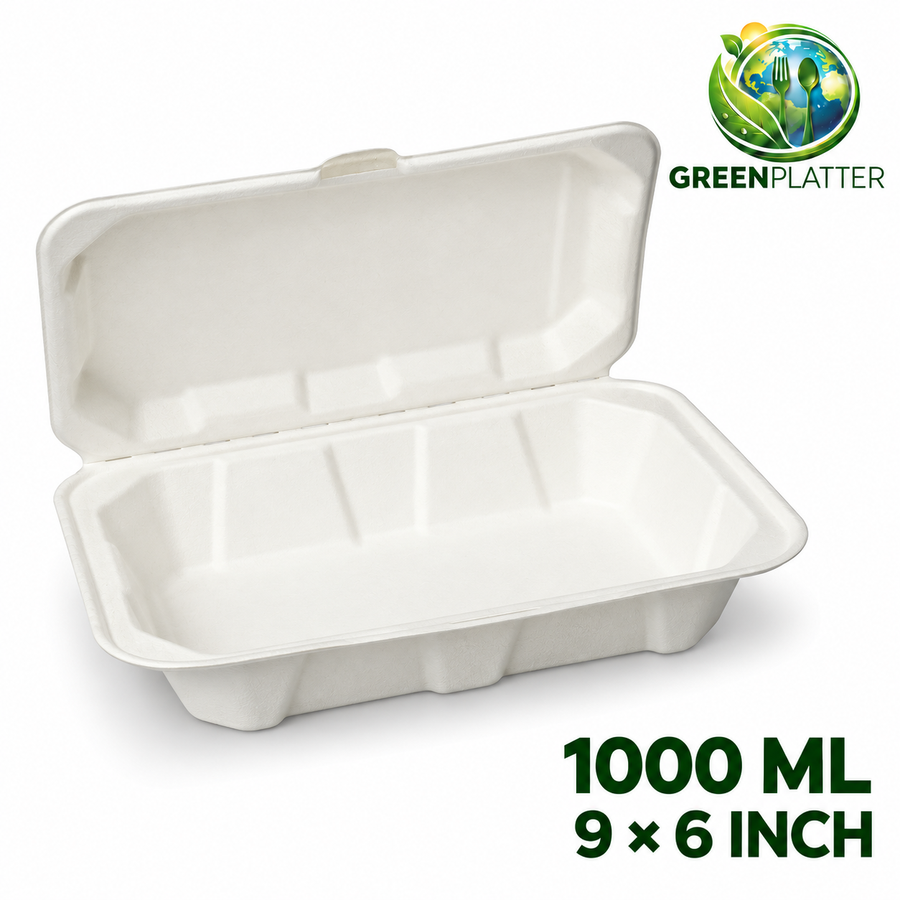
- Clamshell food boxes: for burgers, loaded fries, curries and anything with sauce. A lid keeps food warm on the walk to a bench. See our 1000ml and 600ml bagasse clamshells.
- Bowls with lids: for soups, stews, mac and cheese and noodles. Our kraft deli bowls pair with matching lids.
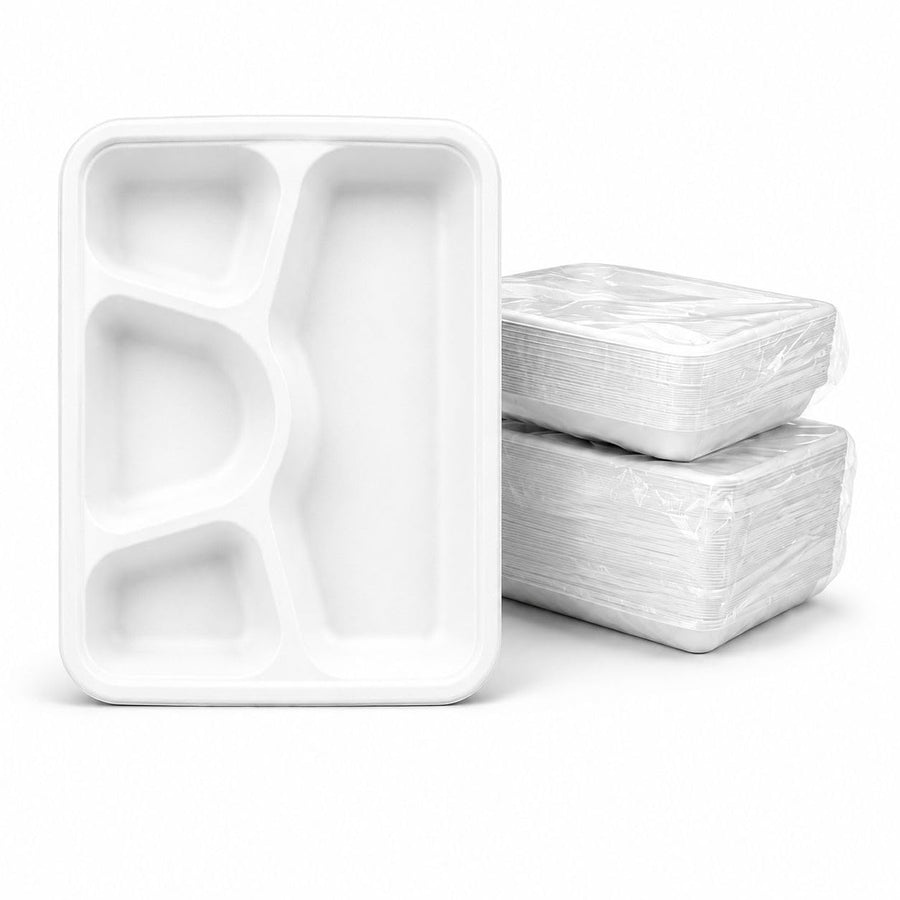
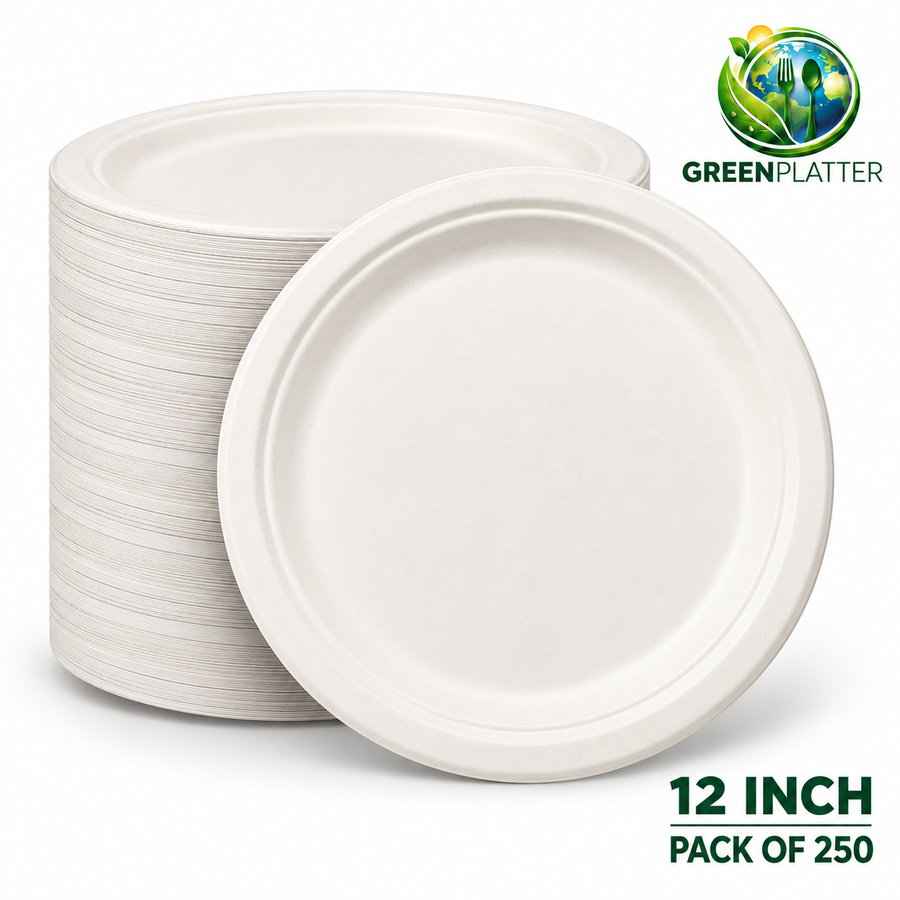
- Plates or trays: for quick-eat items like sausages, crepes and churros. Check our plate size guide to pick the right size.
- Hot cups: for mulled wine, hot chocolate and coffee. For very hot drinks, double-cupping protects customers' hands.
- Cutlery: wooden forks, spoons and knives. Budget for spares, as customers often take two.
- Napkins: winter food is messy, and people eat standing up.
- Carry bags or trays: for customers buying for a group. Paper bags with handles are ideal.
Keep your range tight. Fewer box sizes means faster service, simpler ordering and less leftover stock in January.
Winter conditions: what your packaging has to cope with
Outdoor winter trading is hard on packaging. Plan for these four problems:
- Heat loss: food cools fast in cold air. Lidded boxes and bowls hold heat far better than open trays, so use them for anything customers carry away.
- Steam and sogginess: a fully sealed lid traps steam and turns fries and batter soft. Bagasse fibre absorbs a little moisture, which helps, but leave crispy food lightly vented if it will sit for more than a few minutes.
- Grease and sauce: winter menus are rich. Bagasse is naturally grease-resistant and stays rigid with hot, oily food, unlike thin paper plates that bend and leak.
- Rain and damp storage: keep stock off the ground and in sealed tubs or bags. Damp packaging softens and is harder to separate during a rush.

If you are comparing materials for hot food, our guide to bagasse vs PLA vs bamboo explains which handles heat best.
How much packaging should you order?
Start from expected sales, not guesswork. A simple formula works for most stalls:
- Estimate servings per day. Use last year's sales, or ask the organiser for typical footfall.
- Multiply by the number of trading days.
- Add a 20 to 30% buffer for busy weekends, spoiled stock and double-boxing.
Example (illustrative): a stall expecting 150 servings a day across 20 trading days needs 3,000 servings. With a 25% buffer, that is 3,750 units of its main box.
| Item | Rule of thumb |
|---|---|
| Main food boxes or bowls | 1 per serving, plus buffer |
| Cutlery | 1.5 per serving |
| Napkins | 2 to 3 per serving |
| Hot cups and lids | 1 per drink sold, plus buffer |
| Carry trays or bags | Around 1 per 4 servings |
Buying by the case also brings the unit price down. Running the whole season from one or two big orders is usually cheaper than topping up in small packs.
Check the rules before you order
In England, single-use plastic plates, trays, bowls and cutlery, and polystyrene food and drink containers, are banned for food served to eat straight away. Our single-use plastic ban guide explains what is and isn't allowed.
Many market organisers go further and set their own packaging rules. Some require compostable packaging only, or run food waste bins where compostable packaging goes in with leftovers.
Before you order:
- Read your trader pack for packaging requirements.
- Ask whether the market has food waste or composting bins.
- Keep certification details to hand. Packaging made from materials certified to EN13432 is the standard most organisers look for. Our EN13432 guide explains what that means.
When to order, and how to store it
Suppliers get busy from late October, and popular sizes can sell out. Work back from your first trading day:
- Six weeks before: confirm your menu and pick your box sizes.
- Four weeks before: place your main order for the whole season.
- Two weeks before: check the delivery, count stock and order anything missing.
- Mid-season: count stock after your first weekend and top up while there is still time.
Store packaging somewhere dry and cool, in its original sleeves or cases, away from heaters and direct sun. Bagasse keeps well when it stays dry, so leftover stock can carry over to spring events.
Your Christmas market packaging checklist
- ☐ Menu confirmed and box sizes chosen
- ☐ Market packaging rules checked in the trader pack
- ☐ Servings per day estimated and buffer added
- ☐ Boxes, bowls and plates ordered
- ☐ Hot cups and lids ordered
- ☐ Cutlery and napkins ordered
- ☐ Carry trays or bags ordered
- ☐ Dry, off-the-ground storage arranged at the stall
- ☐ Stock count booked for after the first weekend
Stock up with a Green Platter trade account
Green Platter supplies compostable bagasse food boxes, bowls, plates and tableware to caterers, street food traders and event businesses across the UK. Our bagasse range is made from materials certified to EN13432.
Open a free trade account to see wholesale pricing, order by the case and get your stock delivered before the season starts. Apply for a trade account.
Related post

26
Sep