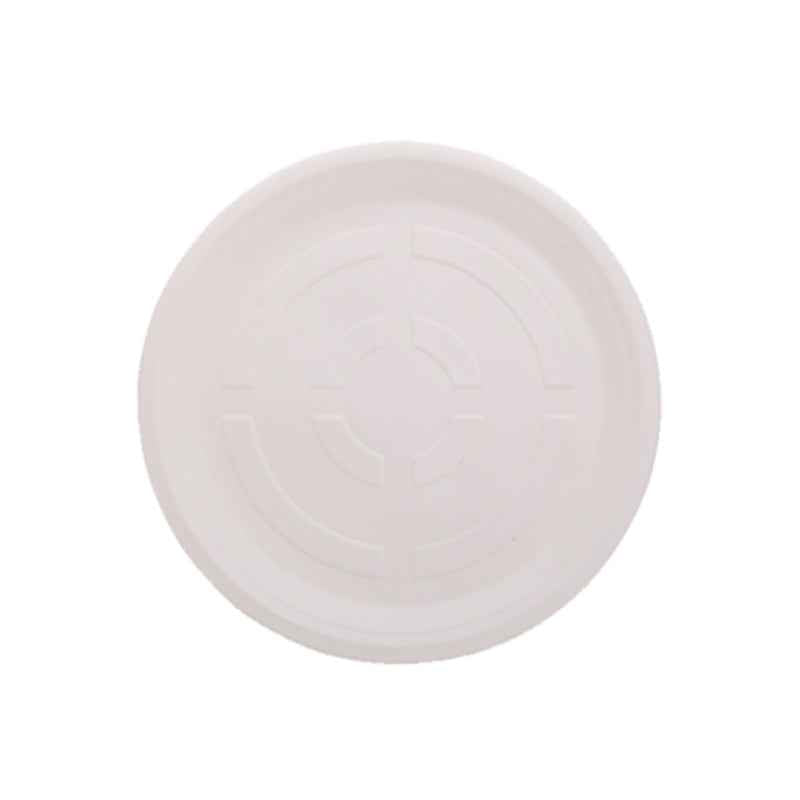


Disposable Plate Size Guide: 8, 9, 10 or 12 Inch?
Choosing the right disposable plate is about more than diameter. The food being served, portion size, number of courses and whether guests will be standing or seated all influence which plate works best. A plate that is too small can feel crowded, while an oversized plate can increase cost and storage space unnecessarily.
This guide compares 8, 9, 10 and 12 inch disposable plates so households, event organisers, takeaways and caterers can choose the right size for their needs.
Quick disposable plate size comparison
| Plate size | Best suited to | Typical serving |
|---|---|---|
| 8 inch | Desserts, cake, snacks and light meals | One small or light serving |
| 9 inch | Buffets, lunches, parties and everyday meals | A main item with one or two sides |
| 10 inch | Dinners, catering and generous portions | A full main meal with sides |
| 12 inch | Pizza, sharing food and large servings | Large meals or a 12-inch pizza |
When should you choose an 8-inch plate?
An 8-inch plate is a practical option for cake, desserts, sandwiches, starters and children's portions. It can also work well at events where guests return for several small servings rather than carrying one large meal.
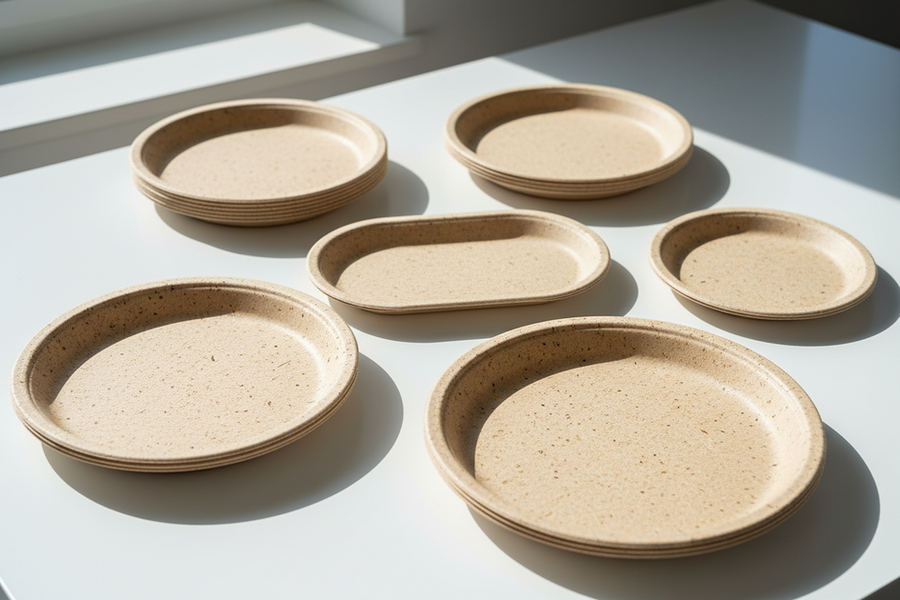
For compact servings, view the 8-inch square bagasse plate. Its square format gives snacks and desserts a distinctive presentation while remaining easy to stack.
Is a 9-inch plate large enough for a main meal?
For many lunches, buffets and party meals, a 9-inch plate provides a useful balance between serving area and convenience. It normally accommodates a main item and a modest selection of sides without feeling as bulky as a dinner plate.
The 9-inch heavy-duty bagasse plate is intended for hot or cold food and is available in practical pack options. It is a strong everyday choice for family gatherings, workplace catering and informal events.
Why are 10-inch plates popular with caterers?
A 10-inch plate provides more room for a complete meal, making it useful for weddings, corporate catering, street-food events and buffet dinners. The extra space helps keep sauces, sides and the main item separate.
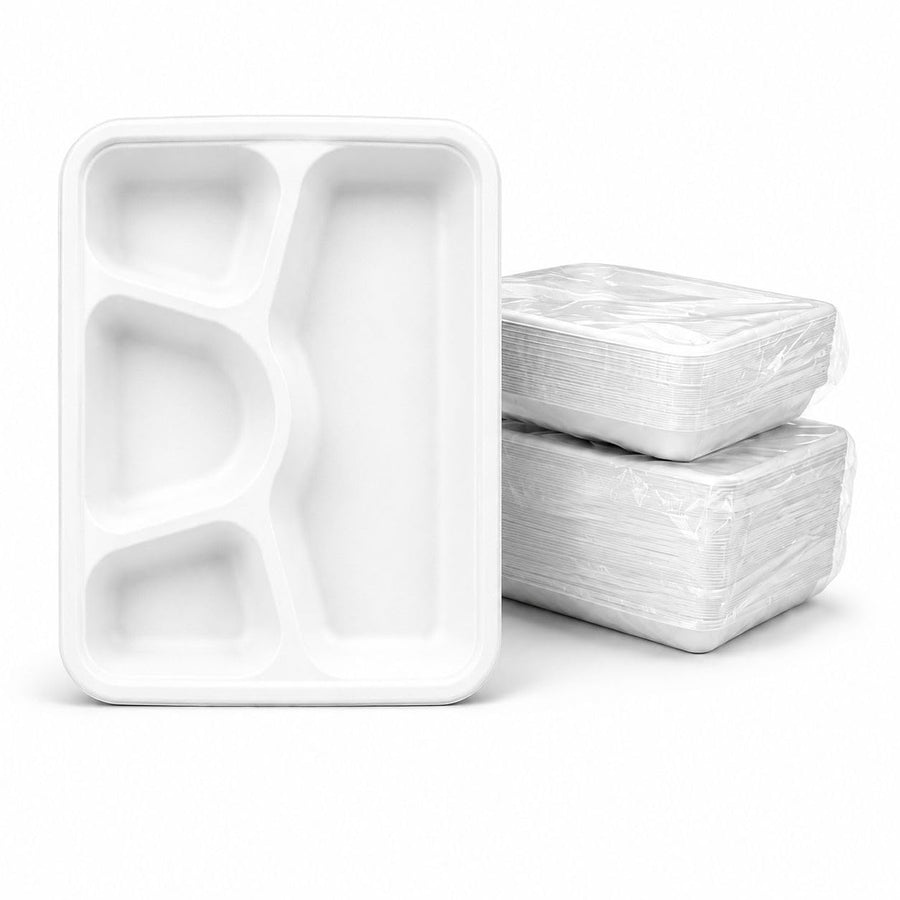
For a standard dinner format, consider the 10-inch round bagasse dinner plate. If the menu contains several components, the 9/10-inch three-compartment bagasse plate can help separate portions.
When is a 12-inch plate the better choice?
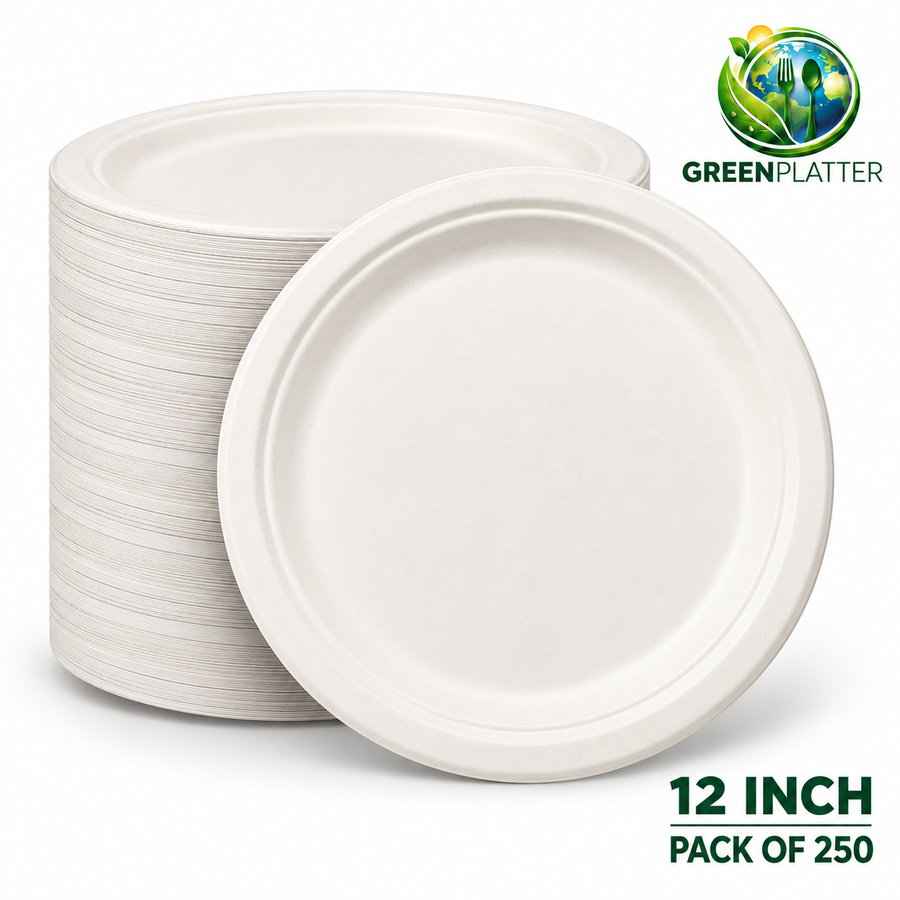
A 12-inch plate is useful for pizza, sharing platters and generous servings. It offers the surface area needed for food that would overhang or crowd a smaller plate.
Green Platter offers both 12-inch round bagasse plates and 12-inch heavy-duty pizza plates. For menus with several side dishes, a 12-inch four-compartment plate provides additional separation.
Round, square or compartment plate?
- Round plates: versatile for most meals and familiar to guests.
- Square plates: useful for snacks, desserts and modern presentation.
- Compartment plates: helpful for curries, sauces, sides, children's meals and portion control.
How many plates should you order?
For a single-course event, begin with one plate per guest and add approximately 10% for unexpected guests, damage or second servings. For a buffet with separate desserts, plan one main plate and one smaller plate per person. Businesses should also consider case quantities, available storage and expected weekly usage.
Choose the right plate for your menu
Start with the food rather than simply choosing the largest plate. An 8-inch plate suits lighter servings, 9 inches covers many everyday meals, 10 inches works well for full dinners, and 12 inches is best reserved for pizza and generous portions. Browse all Green Platter bagasse plates to compare formats and pack options.
Related post
26
Sep